
Fairbanks North Star Borough Released Inmates Records
Fairbanks North Star Borough Released Inmates records usually start with a custody check, then move into the arrest, court, and release trail that explains where someone was held and when they left state custody. If you are trying to confirm a release, find a current housing location, or trace the record behind a transfer, the Fairbanks area gives you several official places to look. Fairbanks Correctional Center, the Alaska State Troopers D Detachment, the Fairbanks Police Department, and Alaska VINE all play a part in that path, while court records and public records requests fill in the details that a simple inmate search will not show.
Fairbanks Released Inmates Overview
Fairbanks North Star Borough Released Inmates Search
For a borough-level search, start with the current custody source and then move outward to the record that explains the detention. Alaska VINE is the fastest place to verify whether someone is still in custody, has been transferred, or has already been released. If the name is common, use an approximate date of arrest, a booking number, or the facility name to narrow the result. That approach matters in Fairbanks because people may be booked locally, transported by state troopers, or moved into another DOC facility after sentencing.
When you search a released inmates record in Fairbanks North Star Borough, gather as much of this information as you can before you start:
- Full legal name and any known aliases
- Approximate arrest, booking, or release date
- Facility name, if the person was held at Fairbanks Correctional Center
- Case number, court location, or citation number if you have it
- Birth date or age range when the public search allows it
Once you have the basics, use the state court portal at records.courts.alaska.gov for the case trail, then compare that with custody information from VINE. If the person was arrested locally, the Fairbanks Police Department may also have an arrest or incident record that helps explain the timeline.
Fairbanks Correctional Center Overview
Fairbanks Correctional Center is the main DOC facility in the area and the most likely place to check when a Fairbanks search points to state custody. The facility is at 1931 Eagan Avenue in Fairbanks and serves Interior Alaska. DOC lists the main phone number as (907) 458-6700 and the fax number as (907) 458-6751. For a released inmates search, that matters because a custody result can reflect an intake move, a pretrial stay, a sentenced placement, or a release after completion of the sentence.
The DOC research and records page below is one of the best official starting points if you need more than a simple status check. It is where DOC describes offender profiles, research material, and public records handling for inmate-related information.
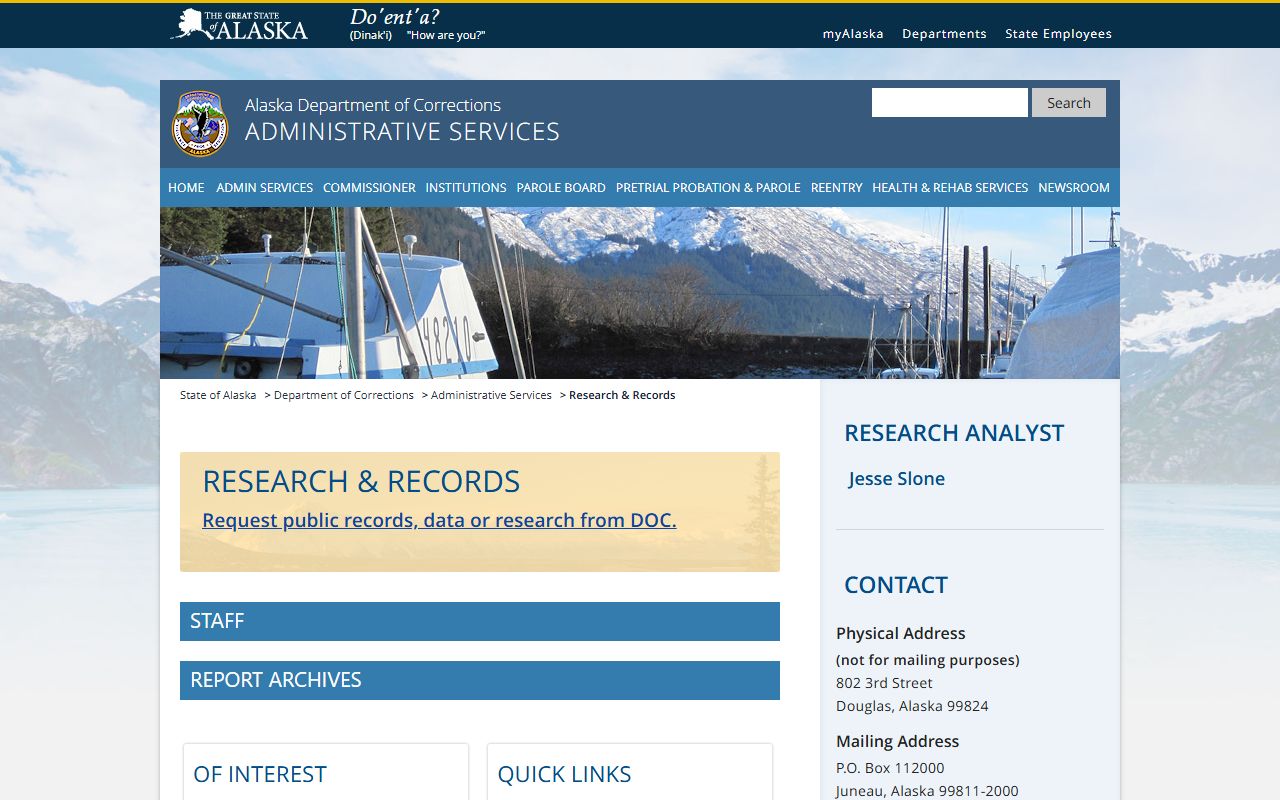
Fairbanks Correctional Center also has enough program activity to make a custody search more useful than a single release date. DOC notes adult basic education, GED work, post-secondary services, a computer lab, vocational courses, reentry programming, anger management, parenting classes, and the Criminal Attitudes Program. Those details can help explain why someone remained in state custody longer than a quick arrest report might suggest.
| Office | Fairbanks Correctional Center |
|---|---|
| Address | 1931 Eagan Avenue Fairbanks, AK 99701 |
| Phone | (907) 458-6700 |
| Fax | (907) 458-6751 |
| Website | doc.alaska.gov |
Fairbanks Police and Troopers Records
Not every Fairbanks release record begins inside a DOC facility. Some start with the Fairbanks Police Department, which handles municipal arrests and incident records inside the city, while Alaska State Troopers D Detachment covers the broader Interior region and transports prisoners to Fairbanks Correctional Center. That split matters because an arrest report can sit with one agency, the court case with another, and the custody status with DOC or VINE.
If the release you are tracking came from a city arrest, the Fairbanks municipal website is the place to ask about police reports and city clerk public records. If the arrest happened outside the city limits or involved a transport from another Interior community, the state troopers are often the agency that filled the gap between booking and delivery to the correctional center. In either case, the public record you get back usually explains the date, location, and charge in a way that helps you match the inmate search result to the correct person.
For the city side of the paper trail, use fairbanksaf.gov to reach municipal records. For the state side, dps.alaska.gov is the official source for trooper information and related public safety resources.
What Released Inmates Records Show
A released inmates search is most useful when you treat it like a chain of records instead of a single database. The custody notice tells you whether the person is currently held, transferred, or released. The court file tells you why the person was in custody. The arrest or incident report tells you how the case started. In Fairbanks, the state court system, DOC, the police department, and VINE each cover a different part of that chain.
The Alaska Court System’s portal below is the official place to see the case side of the record trail. It is the most direct way to connect a release to the criminal case that produced it, especially when you need a charge, judgment, or sentencing document that is not obvious from a custody check alone.
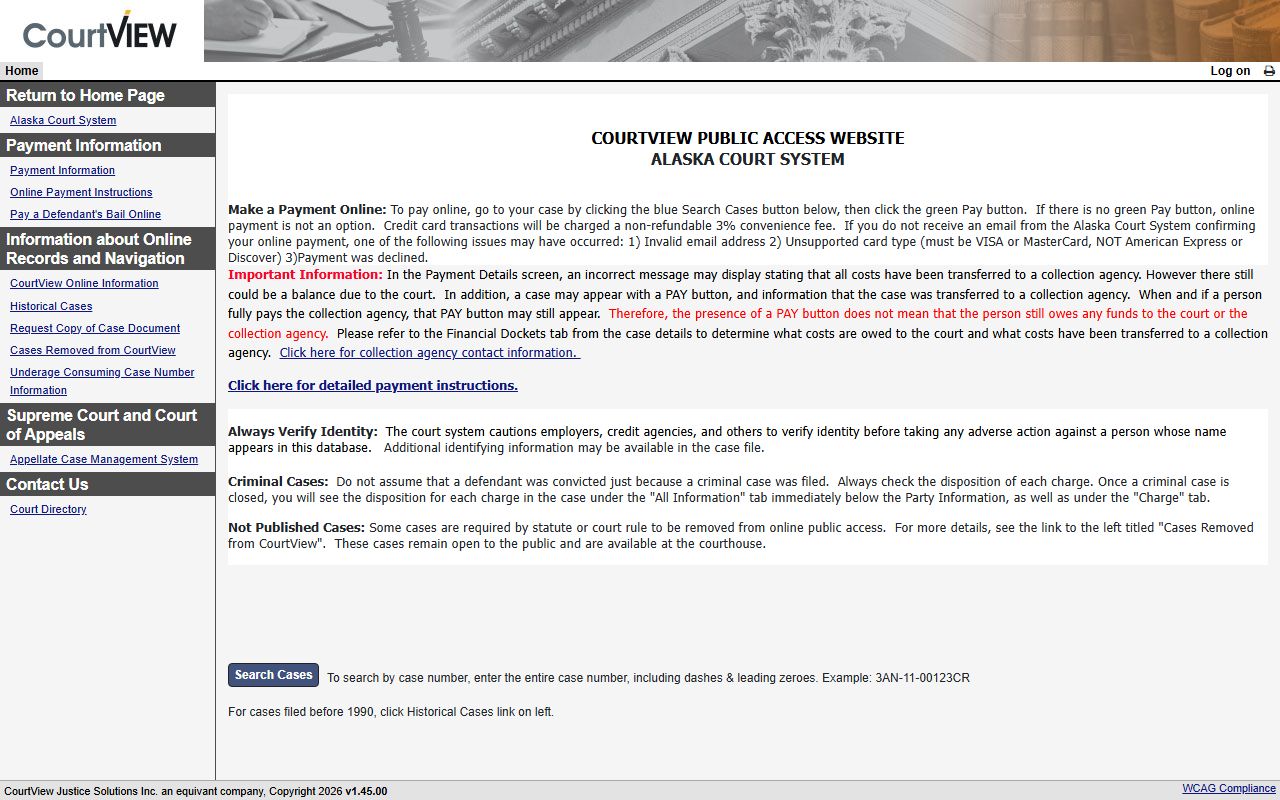
Released inmates records commonly show names, case numbers, charges, booking dates, hearing dates, custody changes, and the facility connected to the case. They may also show transfer points or other milestones if the person moved from a jail setting to a prison setting. The exact detail depends on whether you are looking at a police report, a court docket, a DOC profile, or a VINE status page.
Alaska Public Records Limits for Released Inmates
Alaska’s public records rules give you access to a lot of inmate-related material, but not everything is open. The Public Records Act, along with the limits described in the state guide and DOC rules, creates the line between what you can inspect and what stays confidential. For a Fairbanks search, that means you may be able to see the custody trail while still being blocked from medical files, financial information, mental health records, or other sensitive material tied to a prisoner’s file.
The statute reference below is useful when you want to understand why one record is public while another is withheld. It points to the law that governs Alaska public records and the confidentiality rules that can affect prisoner-related documents.
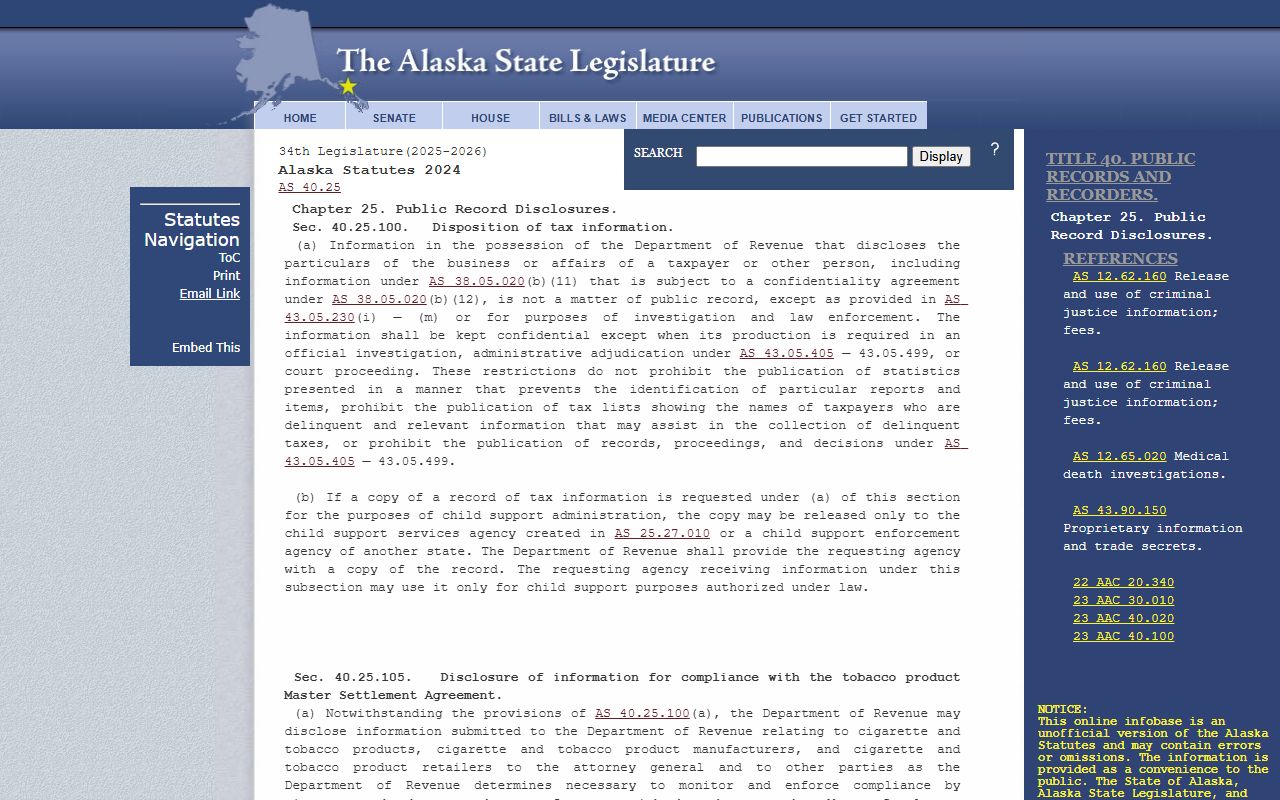
Two other limits matter in practice. Alaska criminal justice information rules restrict some government-held data under AS 12.62, and victim and witness protections under AS 12.61 can remove address information or other identifying details from public release. If a record includes sensitive victim information, the court or agency may redact it before you see the file. When the record is part of an ongoing case or a sealed matter, your request may need to go through a more limited process.
Historical and Federal Records
Sometimes a Fairbanks search ends with a record that is no longer active. When that happens, the Alaska State Archives can be a useful next stop for historic inmate material, especially for older state, territorial, or defunct-facility records. That is most helpful when the name you are searching belongs to someone who was incarcerated before modern computer systems were in place. If the person was ever in federal custody, the Bureau of Prisons inmate locator is the right national tool instead of the state DOC site.
The VINE image below is tied to custody status and release notification, which is often the fastest way to confirm whether a release happened today or whether a transfer triggered the change you are seeing. It is an official service and can send phone, text, or email alerts when the status changes.
For older records, the state archives remain the most practical official contact point. For federal records, the BOP locator fills a different role and can identify inmates in federal custody from the present back through older housing records. That distinction is important in Fairbanks, where a person may have started with a municipal arrest, moved through a state case, and later been transferred out of Alaska altogether.
The archives image below represents the historical side of the search trail. It is the best visual reminder that not every released inmates record lives in the same database or follows the same retention schedule.
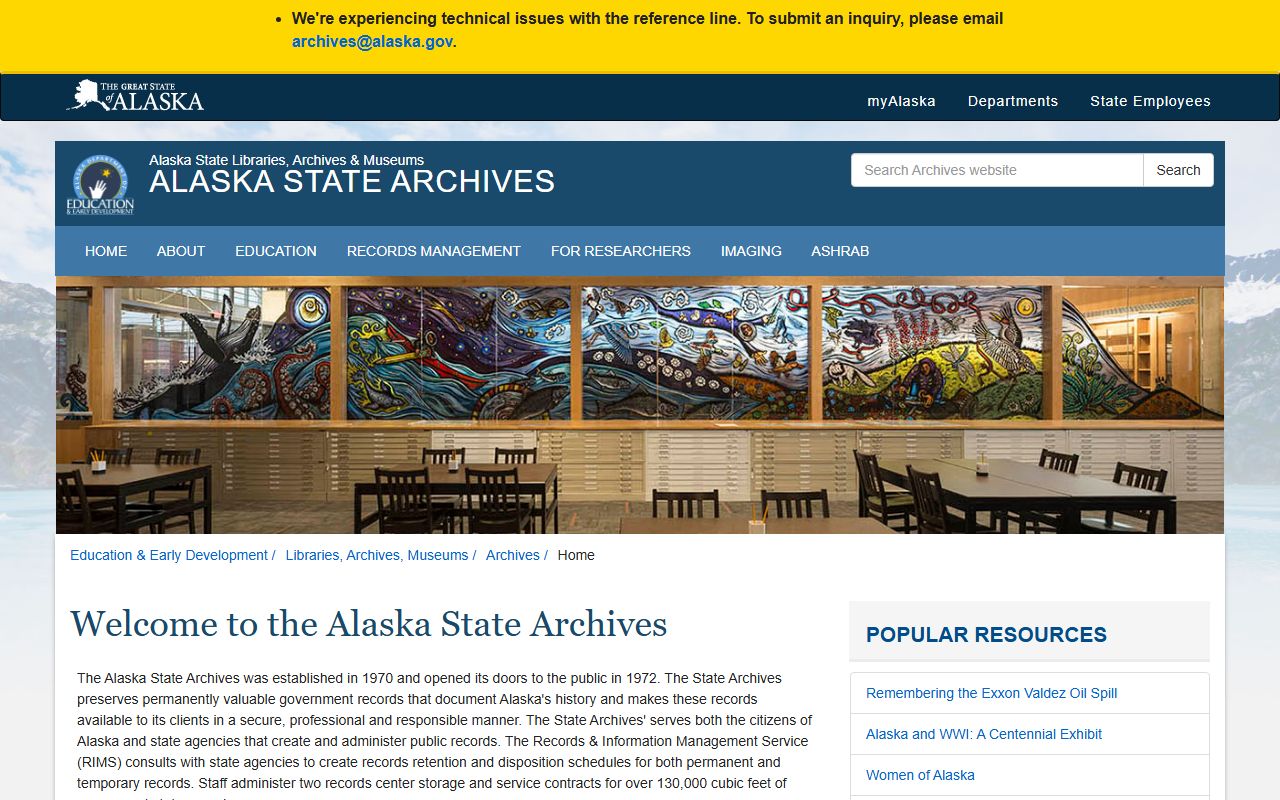
When you have exhausted the active custody tools, the archives and BOP searches help you decide whether the record is old, federal, or simply stored in a different place than you expected.
Related Fairbanks Pages
Use these links to move between the borough page, the city page, and nearby Alaska pages that follow the same released inmates format.