
Search Alaska Released Inmates
Alaska Released Inmates records can come from the Alaska Department of Corrections, the Alaska Court System, local police agencies, and notice tools that track custody changes. This page is built to help you search Alaska Released Inmates information by agency, by release tool, and by the kind of record you need. Some searches work best online. Others require a direct records request. If the person was in state custody, federal custody, or an older territorial facility, the right source can change fast, so it helps to match the request to the correct Alaska office before you start.
Alaska Released Inmates Overview
Alaska Released Inmates Search Steps
The best Alaska Released Inmates search usually starts with custody status. If the person was held by the state, check Alaska VINE and the Alaska Department of Corrections first. VINE is built for quick status checks and release alerts. It lets you search by name or offender ID after choosing Alaska. The system updates often, and it can notify users when an offender is released, transferred, escapes, moves to electronic monitoring, or dies in custody. That makes it one of the fastest ways to check recent movement tied to Alaska Released Inmates records.
When the basic status search is not enough, move to the court side. The Alaska Court Records portal and the Alaska Court System's CourtView resources can help connect a release event to the criminal case that produced it. Court files may show charges, hearings, judgments, and sentence details. Those records do not replace DOC files, but they often explain why an inmate entered custody, when the case moved, and what orders shaped release timing. For Alaska Released Inmates research, court and corrections records usually work best together.
Bring a few details before you search:
- Full legal name and any known aliases
- Approximate custody period or release year
- Whether the case was state, local, or federal
- The Alaska community, borough, or city tied to the arrest
Older Alaska Released Inmates searches take more patience. Historic records may sit with the Alaska State Archives instead of a modern online portal. Federal cases can move outside Alaska after sentencing, so the Federal Bureau of Prisons Inmate Locator may be the better tool when a state search runs dry.
Alaska Released Inmates Through DOC
The Alaska Department of Corrections is the main state agency for Alaska Released Inmates records tied to state custody. Research in the project file notes that DOC operates 13 state correctional facilities and keeps inmate records for people under state jurisdiction. DOC also oversees probation, parole, and pretrial functions. That matters because a release can involve more than a prison gate. It can also include transfer, supervised release, or another status change that appears in DOC systems before a person reaches full discharge.
The department's Research and Records office is another strong source when you need more than a live custody check. That office maintains offender profiles and aggregate data on Alaska's incarcerated population, including offender profiles from 2002 through 2021 and a 2022 profile. Those materials are not the same as a personal case file, but they can help when the request is statistical, historical, or tied to larger incarceration patterns. For Alaska Released Inmates content, that office gives a statewide view that local jail and court pages do not.
One of the state image captures in this project comes from the DOC Research and Records page, which is a key source for Alaska Released Inmates data requests and published offender profiles.
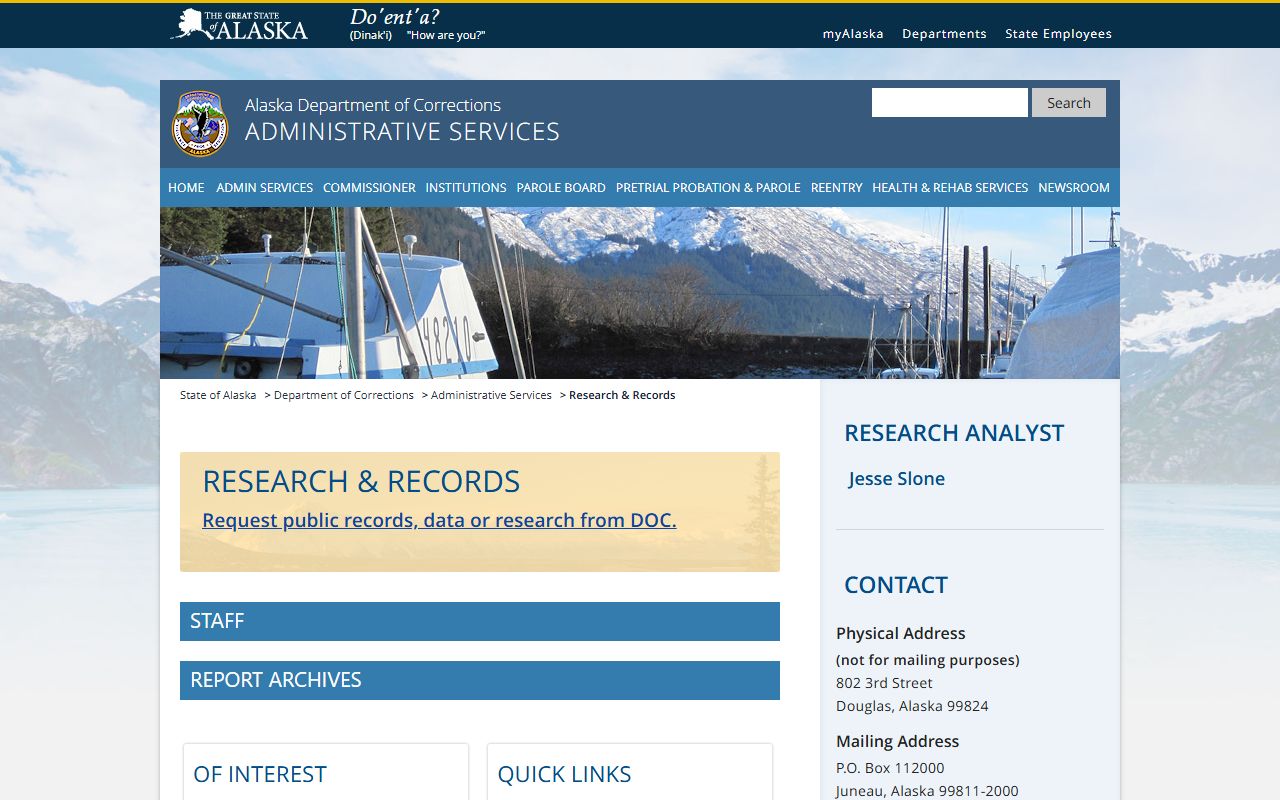
That page is useful when a search moves beyond a single inmate status check and into broader records, archived profiles, or population reports tied to Alaska Released Inmates.
Alaska Released Inmates Alerts And Notices
For many users, the most practical Alaska Released Inmates tool is still VINE. Alaska has offered this service since 1998. The research file says it is anonymous, confidential, and available around the clock by phone and online. Users can call 1-800-247-9763 or use the site to monitor status. VINE also supports notice by phone, text, and email. If no one answers a call, the system keeps trying for up to 24 hours until the registered user enters the PIN. That repeat notice pattern is a core part of how Alaska Released Inmates updates reach victims and concerned families.
The state also directs victims to the Victims' Rights Coordinator for notice help through the criminal justice process. That page explains that victims can receive information about the crime, court case, sentence, and release date of people serving state or federal prison time. It also notes that information can be limited while a case is still open. That limit matters. Alaska Released Inmates data may be public in part, but active investigations and protected victim information can still narrow what an agency will release in the moment.
One image in the state collection points to the Alaska VINE notification system, which is often the fastest Alaska Released Inmates source for release and transfer alerts.
That screenshot reinforces the main point here: VINE works best for current or recent custody status, while deeper Alaska Released Inmates research usually needs court, DOC, or archives support.
Another state image highlights the Alaska VCCB victim services page, which supports victims seeking notice tied to Alaska Released Inmates changes.
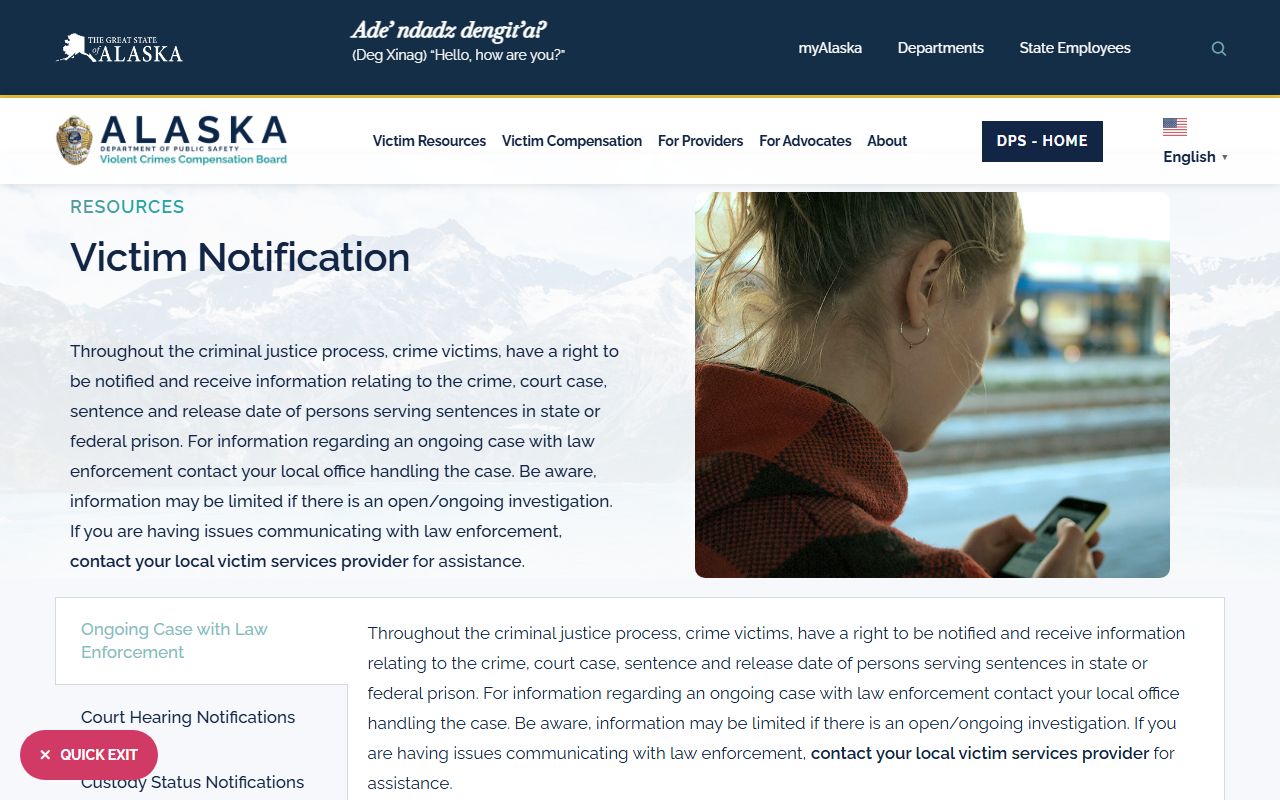
Use that page when the request is tied to victim rights, follow-up notice, or trouble getting release information from the local investigating agency.
Alaska Released Inmates In Court Records
Court records do not replace correctional files, but they give Alaska Released Inmates searches context. The statewide portal at records.courts.alaska.gov is the most direct high-quality online source in the research set. Case files can show charges, docket activity, sentence terms, and orders that help explain why a person entered custody and when release became possible. If you are trying to confirm a case number before asking DOC or a local clerk for more detail, the portal is usually the cleanest place to start.
The project research also notes an official CourtView resource through the Alaska Court System. Even when electronic access exists, it is not unlimited. Administrative Rule 37.8 keeps some electronic details off the public site, and search warrant records can remain sealed for a period under Alaska Rule of Criminal Procedure 37(e). Alaska Released Inmates searches often intersect with those limits. A public case record may exist, yet a portion of the related file may stay sealed, confidential, or redacted.
One state image in the project comes from the Alaska Court Records portal, a core source for public case information linked to Alaska Released Inmates.
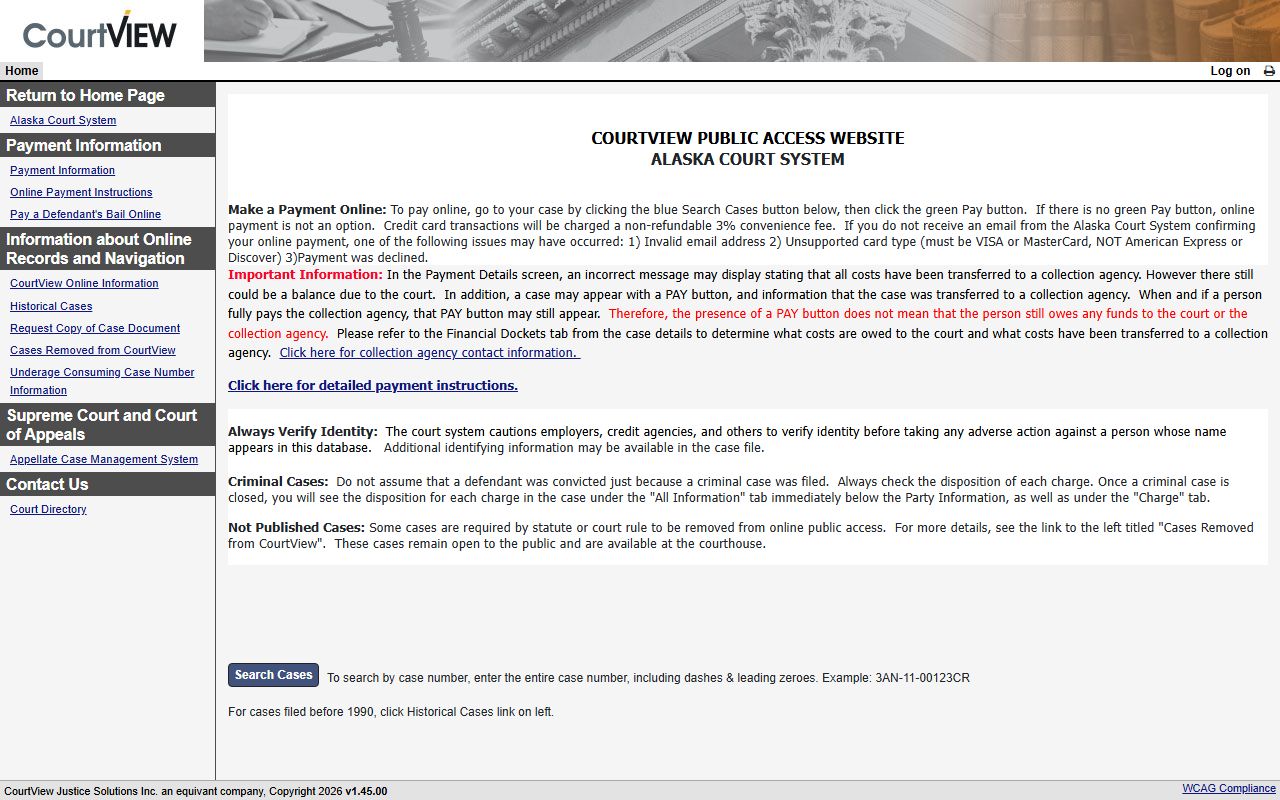
Use that portal to tie a release search to the right criminal case, sentencing record, or court event before submitting a more detailed records request.
Another project image references the Alaska statutes page that frames public access and confidentiality questions affecting Alaska Released Inmates records.
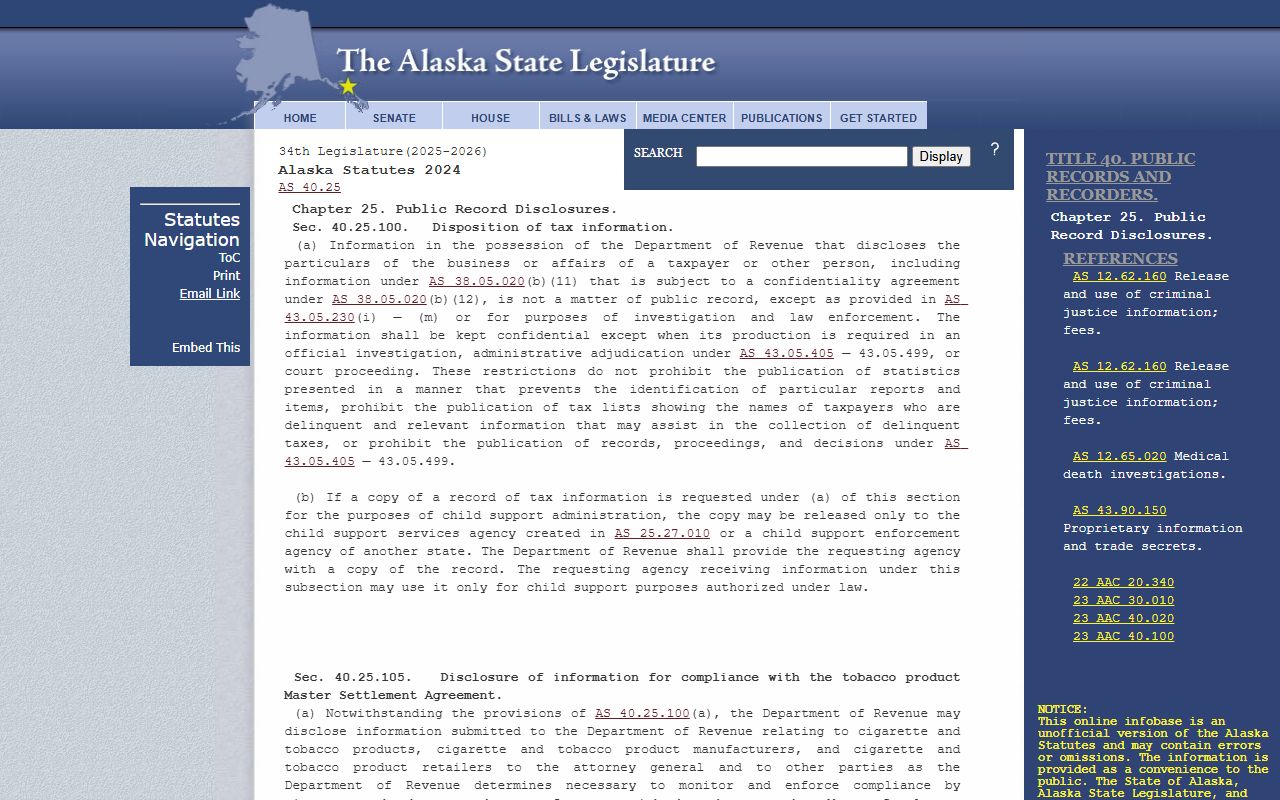
That source is useful when a requester needs to understand why one record is open, another is withheld, and a third is only partly available.
Alaska Released Inmates Public Access Limits
Alaska public records law supports broad access, but Alaska Released Inmates records are not open without limits. The research file points to the Open Government Guide for Alaska for the core rule set under AS 40.25.110 through AS 40.25.295. In general, public records of public agencies are open to inspection. Still, corrections files can hold medical records, mental health records, financial data, and case materials that stay exempt without a court order or commissioner approval. The same research notes that 22 AAC 05.095 restricts access to some prisoner information.
Victim and witness protections also matter. Under the state rules cited in the research, the names of sexual offense victims are withheld in public court records, and victim or witness addresses and phone numbers are confidential. Alaska Released Inmates requests can also run into DOC confidentiality standards under AS 33.30.211 and related statutes. Those provisions help explain why a release date or custody status may be public while the supporting packet, treatment information, or transport paperwork is not.
A state image set includes the Alaska Public Records Act guide, which provides the broader public-access framework behind many Alaska Released Inmates requests.
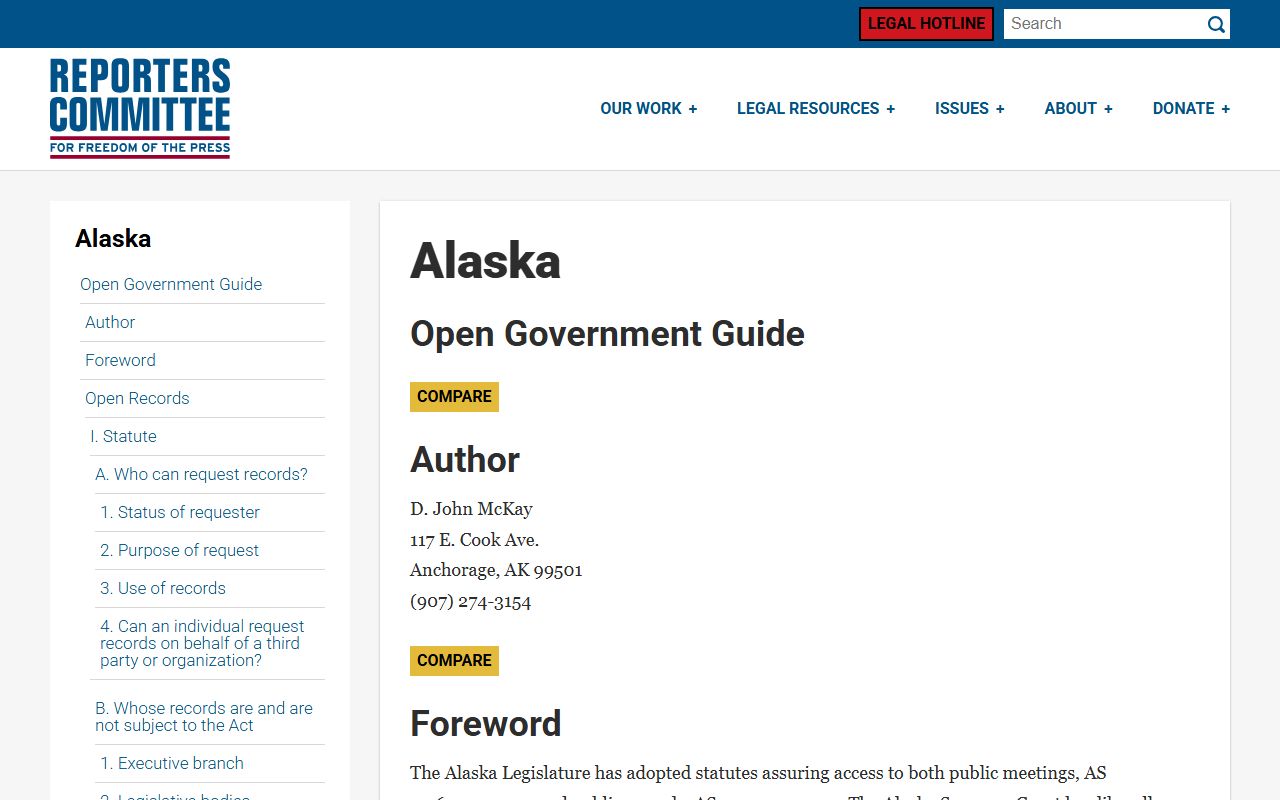
That source helps when an agency partially denies a request or explains that some Alaska Released Inmates material is confidential even though the base record is public.
Alaska Released Inmates State Search Tools
Some Alaska Released Inmates searches begin with a local arrest or a borough facility, then expand to statewide systems. The Department of Public Safety online forms page supports records requests. The research says the DPS process sends an email with a request number and notifies users about any charges before work begins. That path can matter if the request is really for criminal history or identification bureau material instead of a DOC custody record. The Criminal Records and Identification Bureau also maintains Alaska's central repository of criminal history information, though criminal history access has its own limits under AS 12.62.
Daily law enforcement activity can add context as well. The state image pack includes the Alaska DPS Daily Dispatch, which is not a release database, but it can help connect later Alaska Released Inmates searches to the arrest agency or event. The project also includes a state image from the Alaska Sex Offender Registry. That registry is separate from general custody files, yet it can become relevant when a person released from custody remains subject to registration duties or compliance checks.
This project includes a screenshot from the Alaska DPS Daily Dispatch, which can help identify arresting agencies tied to future Alaska Released Inmates records requests.
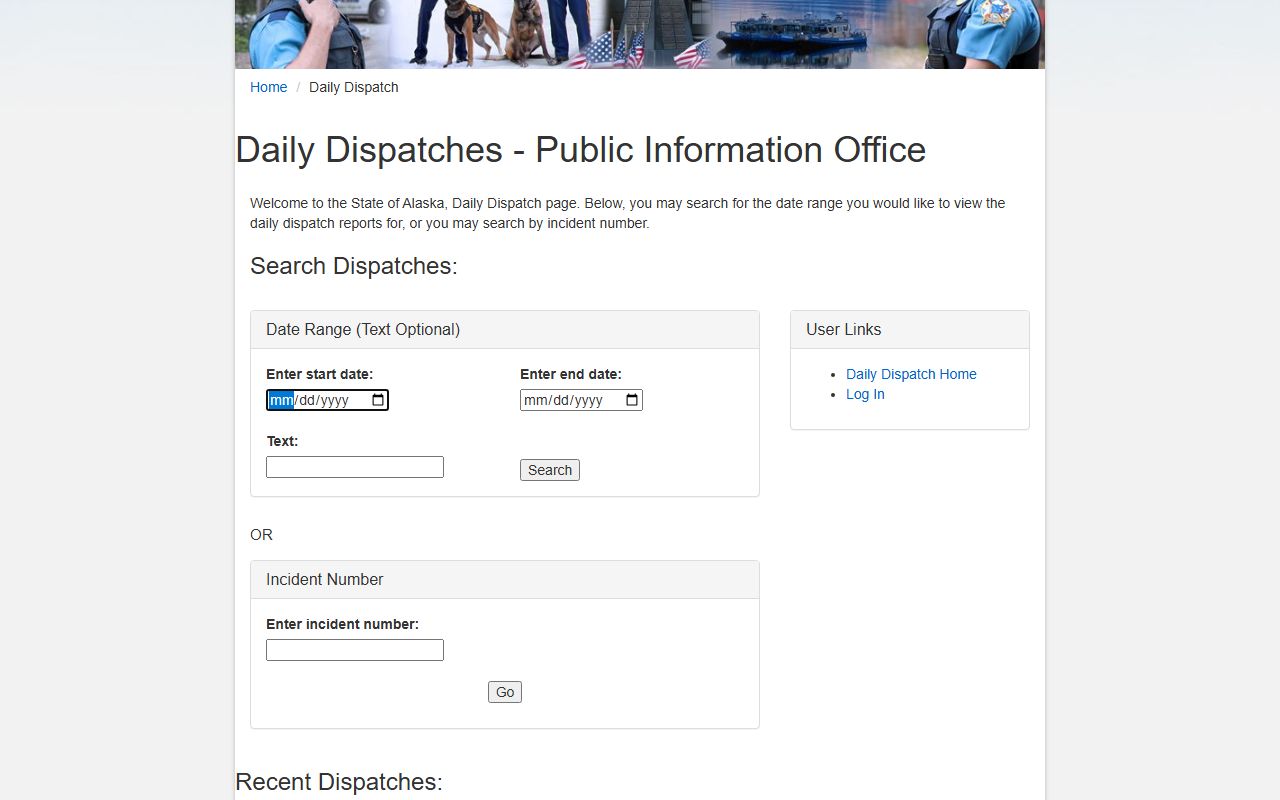
That dispatch page does not replace DOC or court files, but it can give a starting point when the agency, date, or event details are still uncertain.
Another state image highlights the Alaska Sex Offender Registry, a separate public system that can still intersect with some Alaska Released Inmates follow-up research.
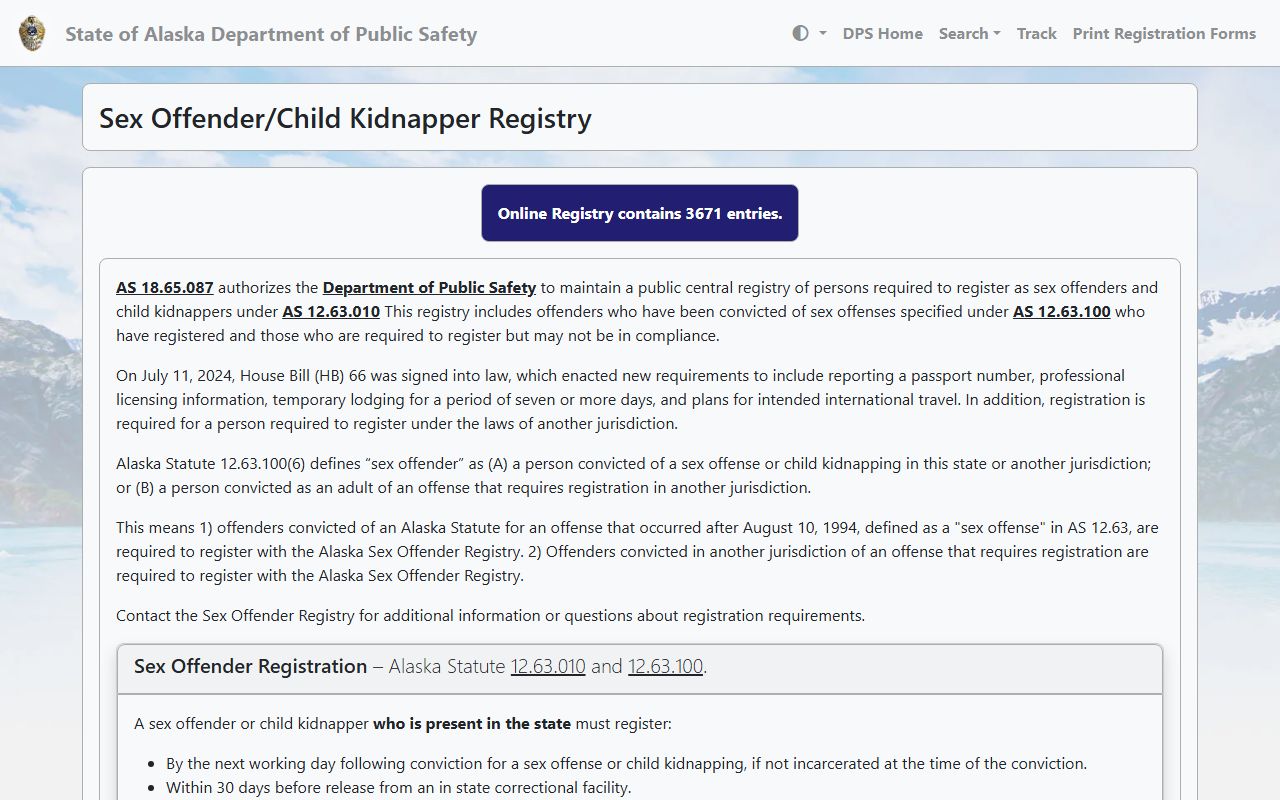
Use it carefully and only for the registry-specific purpose. It is not a general released inmate database, but it can confirm ongoing public obligations after release.
Historic Alaska Released Inmates Records
Not every Alaska Released Inmates request belongs in a current state system. For older incarceration records, the Alaska State Archives may be the right stop. The research notes that the archives keep historical government records, including territorial prison and early statehood material. If the release happened before modern computer systems or the facility no longer exists, the archives may be more useful than a present-day corrections office. That is especially true for genealogical work, local history, and cases tied to pre-statehood institutions.
The state image set includes the Alaska State Archives, which is a key destination for older Alaska Released Inmates research that no longer fits a modern online search.
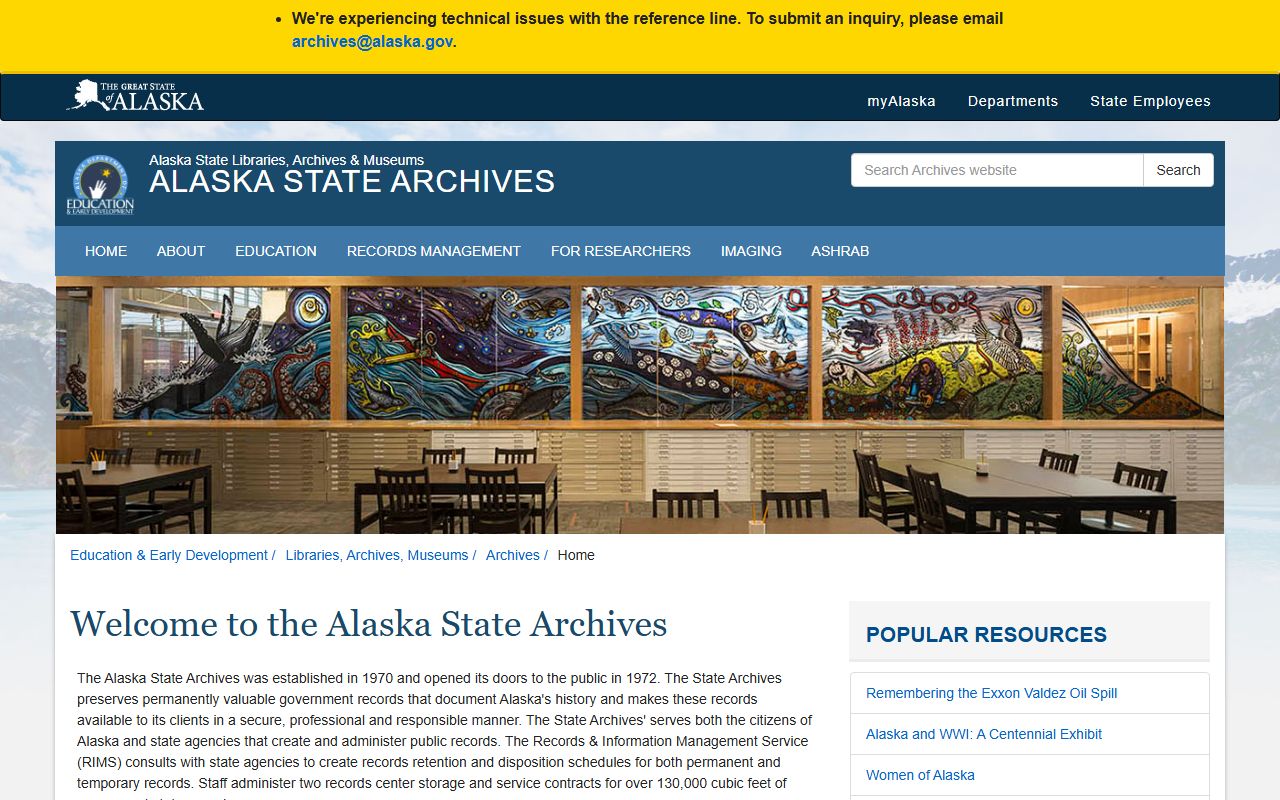
For historical searches, the archives can fill the gap between modern DOC systems and records from older prisons, courts, and territorial agencies.
Federal custody takes another path. Alaska has no federal prison, so people sentenced in federal cases are often transferred outside the state. That makes the Federal Bureau of Prisons Inmate Locator important for some Alaska Released Inmates searches. The BOP tool lets users search by name or register number, and it covers federal inmate data from 1982 forward. The research also notes that older federal records may be at the National Archives and Records Administration.
One image in the state set points directly to the Federal Bureau of Prisons Inmate Locator, which is essential when Alaska Released Inmates questions involve federal custody after sentencing.
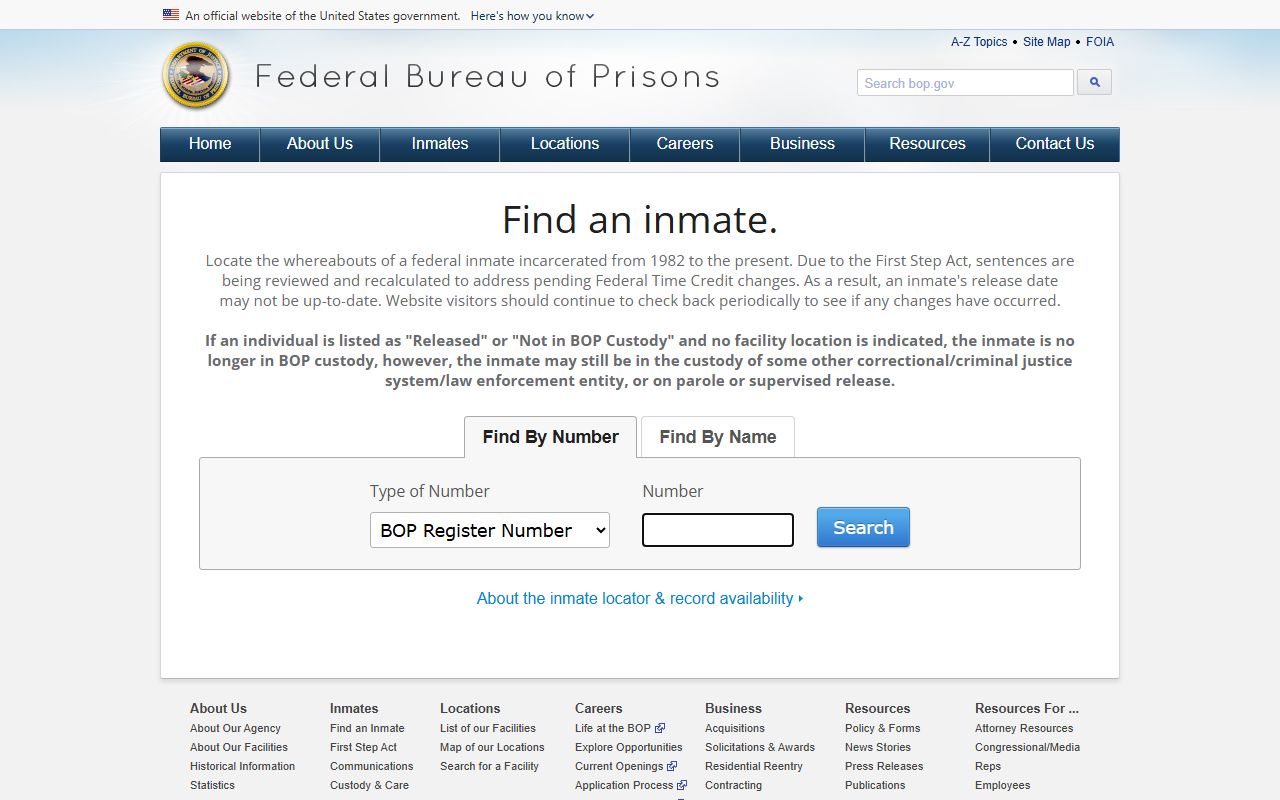
That source matters because a person can leave Alaska custody and still remain in federal custody elsewhere, which changes where the release record lives.
Get Alaska Released Inmates Records
When online tools do not answer the question, a direct request is usually next. The detailed procedure section in the research explains that Alaska agencies may ask for clarification, give a cost estimate, take more time, disclose records, or deny them in full or in part. The request should describe the records clearly and include the requester's contact details. If the agency denies access, the research notes that the denial may be appealed through an agency director process under 2 AAC 96.340 or challenged in superior court under AS 40.25.125. That is worth knowing before filing a broad Alaska Released Inmates request with no dates, no agency, and no case details.
Prepare the request around the source. Ask DOC for state custody and release materials. Ask the court for case files and orders. Ask a local police department or municipality for arrest and incident records. Ask the archives for older incarceration records. Ask BOP for federal custody location data. Matching the agency to the record type saves time and lowers the chance of a denial or a long research fee. Note: Alaska agencies may charge search or copy fees when a request lacks enough detail to locate the right file quickly.
A short checklist helps before you submit:
- Name the person and the Alaska location tied to the case
- State whether you need custody status, court records, or historic files
- Include the approximate release date or custody period
- List any case number, offender ID, or arrest agency you already have
Browse Alaska Released Inmates By Location
Use the county and city pages below to move from this Alaska Released Inmates overview into local custody sources, courthouse access points, and borough or city-specific release records information.
Alaska Released Inmates In Major Cities
The city pages localize Alaska Released Inmates research for the biggest population centers in this project and point back to the county or borough pages that control most court and custody records.